
You Sell New Construction Homes. But How Well Do You Understand How They're Built?
I spent years building homes before taking that experience into real estate sales. And it didn't take long to realize just how valuable that construction knowledge really was. Understanding how homes were built helped me ask better questions, communicate with builders, and explain construction details to my buyers with greater confidence. But what surprised me was how valuable that same knowledge became when selling existing homes.
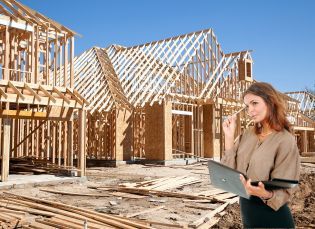
New construction creates its own set of challenges and opportunities. Builder contracts, construction schedules, design selections, inspections, walkthroughs, warranties, and communication with builders can all be unfamiliar territory.
For agents who understand the process, these situations become much easier to navigate. And that knowledge can help you develop stronger working relationships with builders while providing more informed representation for your buyers. It can also open the door to a segment of the real estate market that some agents have never seriously explored.
Understanding
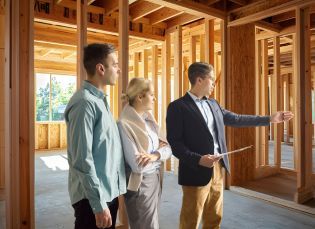
Imagine walking through a home with your buyer. They point to something unfamiliar and ask, "Is that normal?"
There are two very different ways that conversation can go. One agent might simply say, "I'm not sure. We'll have the inspector look at it."
Another agent, with a stronger understanding of construction, may be able to explain what they're looking at, identify why it deserves attention, and help the buyer determine which qualified professional should evaluate it.
Both agents recognize the importance of inspections. But the second agent brings an additional level of knowledge to the conversation. That's the difference between simply showing a home and helping a buyer better understand the home they're considering purchasing.
From
Understanding
Imagine walking through a home with your buyer. They point to something unfamiliar and ask, "Is that normal?"
There are two very different ways that conversation can go. One agent might simply say, "I'm not sure. We'll have the inspector look at it."
Another agent, with a stronger understanding of construction, may be able to explain what they're looking at, identify why it deserves attention, and help the buyer determine which qualified professional should evaluate it.
Both agents recognize the importance of inspections. But the second agent brings an additional level of knowledge to the conversation. That's the difference between simply showing a home and helping a buyer better understand the home they're considering purchasing.

Here's something many agents overlook. The construction principles used in today's homes also help you understand homes built 10, 20, or even 50 years ago. Building methods, materials, and codes have changed over time, but homes still depend on foundations, framing, roofing, plumbing, electrical systems, and countless other components working together.
When you understand the construction process, you begin looking at existing homes differently. Instead of simply noticing a beautiful kitchen, fresh paint, or new flooring, you start thinking about what's underneath and behind those finishes. You begin asking better questions about workmanship, building materials, maintenance, and potential problems.
That's knowledge you can use whether you're representing a buyer purchasing a brand-new home or one that's been standing for decades.
Every existing home started as new construction.
Think about that for a moment
As a real estate agent, you probably know how to price a
home, negotiate an offer, review comparable sales, and guide buyers through a
transaction.
But what happens when your buyer starts asking questions
about the actual construction of the home?
What's behind those walls? How was the foundation built?
What's the difference between a load-bearing wall and a partition wall? What
should a buyer be paying attention to during a new-construction walkthrough?
These aren't unusual questions. They're the kinds of
questions that can come up when buyers are making one of the largest financial
decisions of their lives. And knowing how to answer—or knowing what to investigate—can
make a real difference in the value you bring as their agent.
Every existing home started as
new construction.
Think about that for a moment
As a real estate agent, you probably know how to price a
home, negotiate an offer, review comparable sales, and guide buyers through a
transaction.
But what happens when your buyer starts asking questions
about the actual construction of the home?
What's behind those walls? How was the foundation built?
What's the difference between a load-bearing wall and a partition wall? What
should a buyer be paying attention to during a new-construction walkthrough?
These aren't unusual questions. They're the kinds of
questions that can come up when buyers are making one of the largest financial
decisions of their lives. And knowing how to answer—or knowing what to investigate—can
make a real difference in the value you bring as their agent.
You don't need to know how to build a house to be a successful real estate agent. But imagine how much more valuable you could become to your clients if you understood how homes are built, why construction methods matter, and be able to answer questions that arise throughout the process.
That knowledge doesn't stop being useful when the home is completed. It follows you into virtually every residential real estate transaction. Because every home has a construction story. And the more you understand that story, the better prepared you are to represent the people buying it.
New Construct Pro™ provides practical new-construction education designed to help real estate agents better understand the homebuilding process, communicate with builders, and guide buyers with greater knowledge and confidence.
New Construct Pro™ provides practical new-construction education designed to help real estate agents better understand the homebuilding process, communicate with builders, and guide buyers with greater knowledge and confidence.